Beholder 3: A slow-burn dystopian spy simulation about survival
Unlike Papers, Please's checkpoint brevity, Beholder 3 by Paintbucket Games places you inside the Great Union as Frank Schwarz, a disgraced official forced into surveillance and care-work. You alternate between running an apartment block and navigating Ministry office politics, using surveillance, investigation and workplace maneuvering to protect your family and seek reinstatement. The title combines dual-location systems, branching endings and political faction play. It suits players who favour moral tension, patient decision-making, and narrative-driven strategy over action.
What kind of game is Beholder 3?
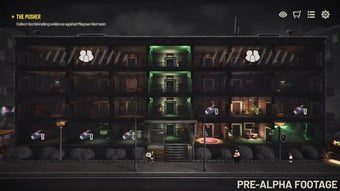
Beholder 3 is a dark dystopian adventure and simulation set in 1989's Great Union, where you play Frank Schwarz, a framed former Ministry official now demoted to building caretaker. The core loop asks you to alternate between residential management and Ministry duties, balancing household needs and official tasks. This design frames choices as survival decisions, because failing Ministry demands can trigger severe penalties including arrest or family consequences.
How does the dual-life loop shape player decisions?
The split roles force trade-offs between personal and state obligations, and the game makes consequences explicit through faction interactions and resource checks. Players can adopt different stances, for example: loyal informant, sympathetic neighbor, or secret collaborator, each changing NPC fates and narrative branches. Resource management matters, since income from multiple jobs must cover bills, repairs and family needs while political choices alter your standing.
What does the game look and sound like?
The series' signature silhouette aesthetic gives the world a stark, haunting quality that supports an oppressive, Orwellian mood. Visuals rely on high-contrast forms and dim interiors to sell surveillance tension, and the audio design underlines that atmosphere with a restrained, brooding tone. The presentation focuses attention on interactions and reports rather than spectacle, which amplifies investigative pacing and player unease.
Is it hard to get started?
The story is standalone and accessible to newcomers, so prior series knowledge is unnecessary. Complexity arises from juggling building upkeep with Ministry politics, which is a deliberate design demand rather than unclear controls. Progression carries weight because failing to meet tasks can lead to arrest or a game over, making early decisions consequential and encouraging careful observation and prioritization.
A measured recommendation for patient, story-first players
In summary, Beholder 3 is a thoughtful choice for players who enjoy slow, investigative political drama and morally ambiguous decisions, rather than fast-paced action. Note that user reports mention launch-era technical issues and repetitive chores that can slow momentum. Given those caveats, the game best suits players prepared for deliberate pacing and thick narrative stakes.